
Electrical resistivity
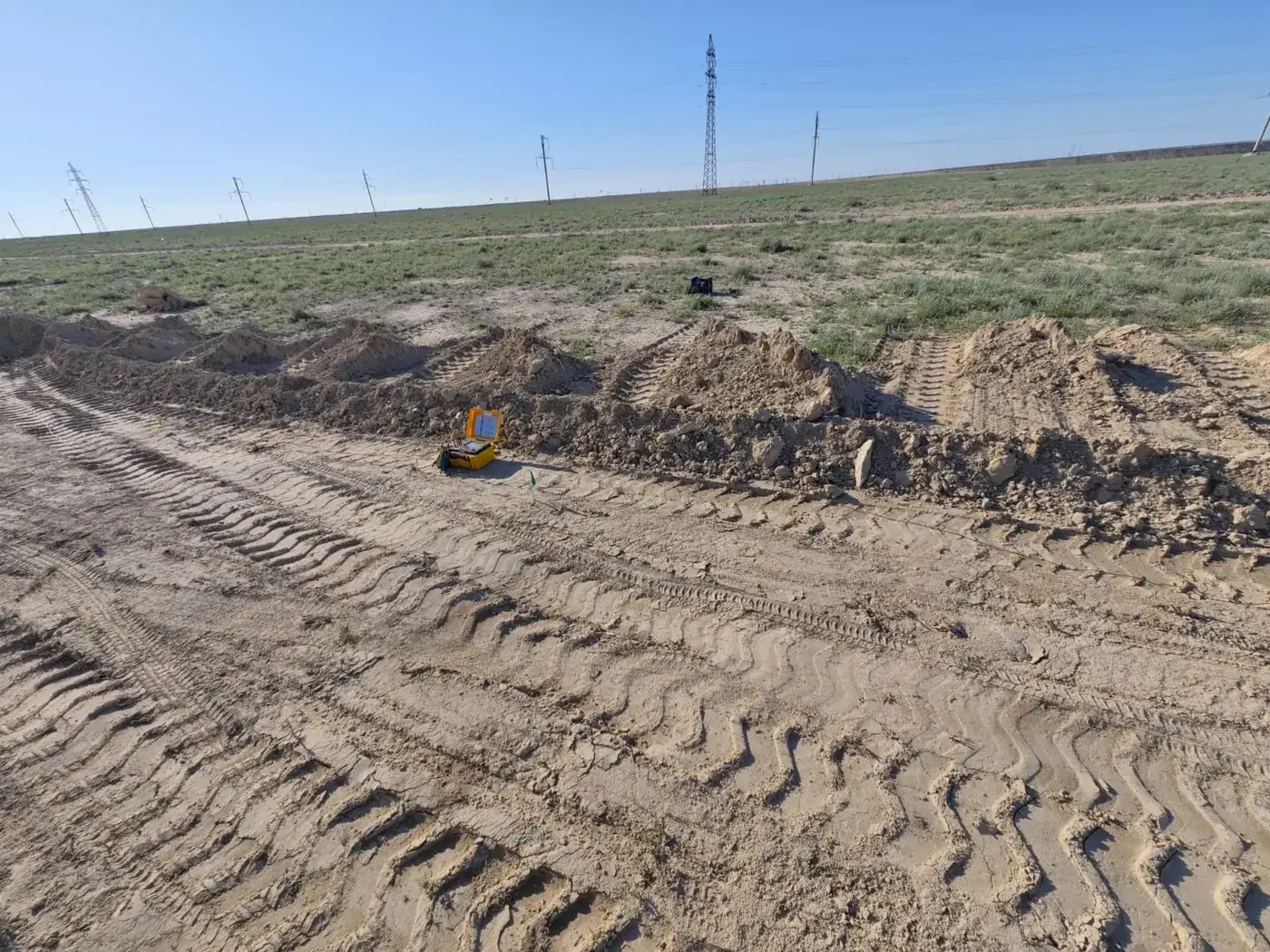
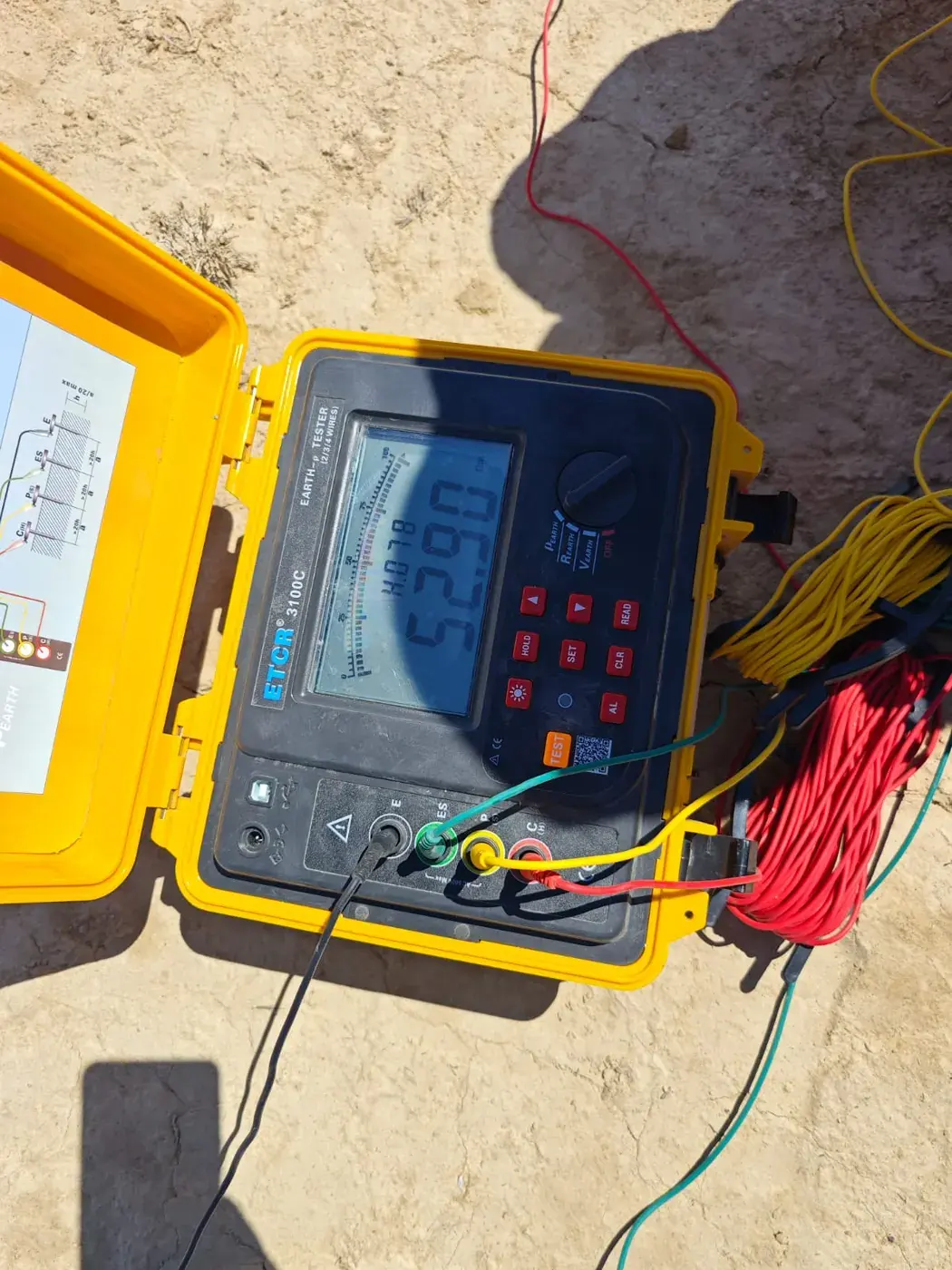
Measuring the electrical resistivity of soils (ETCR 3100C) for earthing design, pipeline cathodic protection and corrosivity assessment.
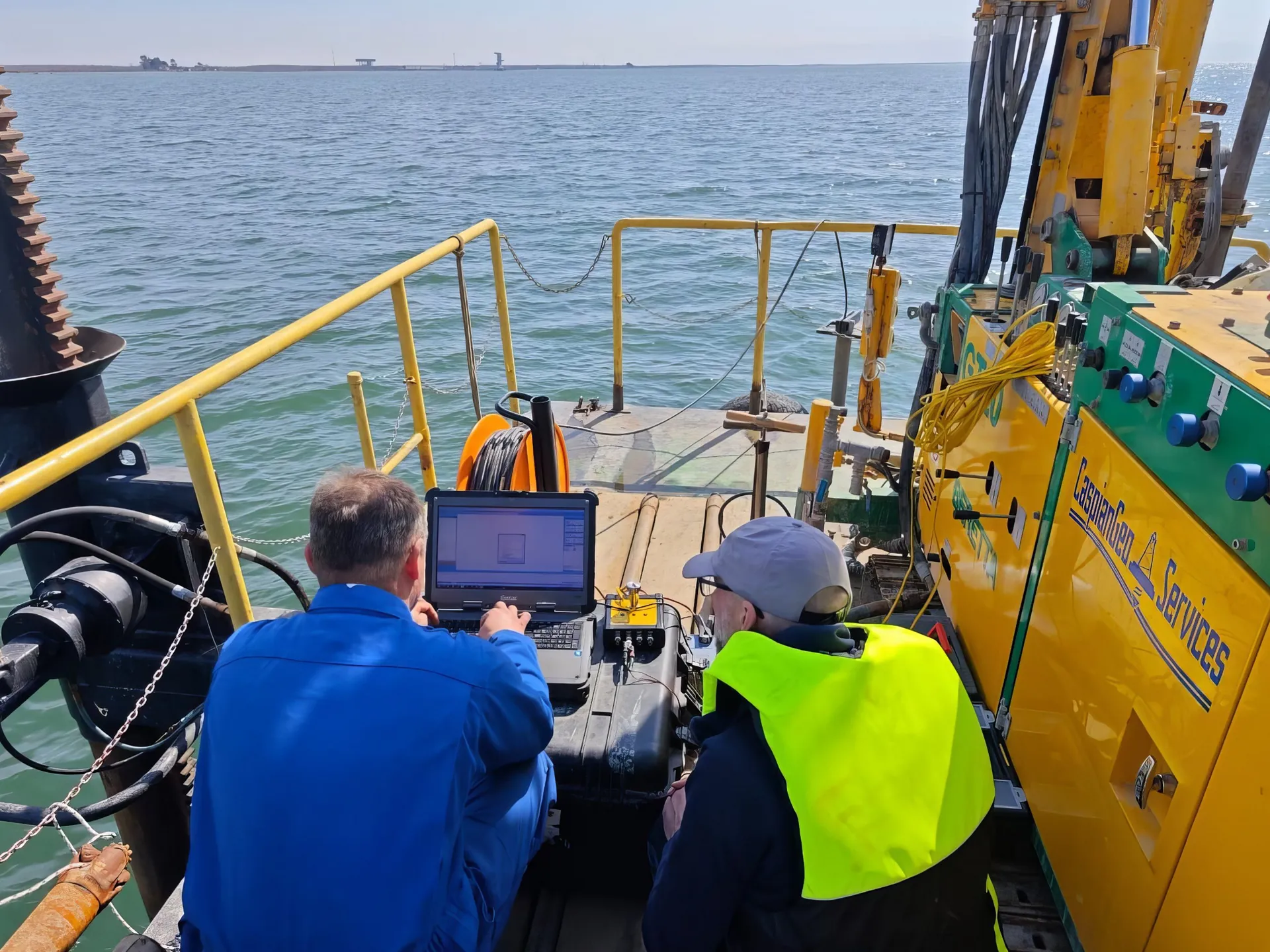
Geophysics complements drilling: it shows the ground structure between boreholes and gives seismic velocities and electrical properties of soils for foundation, earthing and seismic design.
Measuring the electrical resistivity of soils (ETCR 3100C) for earthing design, pipeline cathodic protection and corrosivity assessment.
Passive seismic measurements with the Tromino 3G digital tromograph: resonant frequency of the soil column and seismic properties of the site.
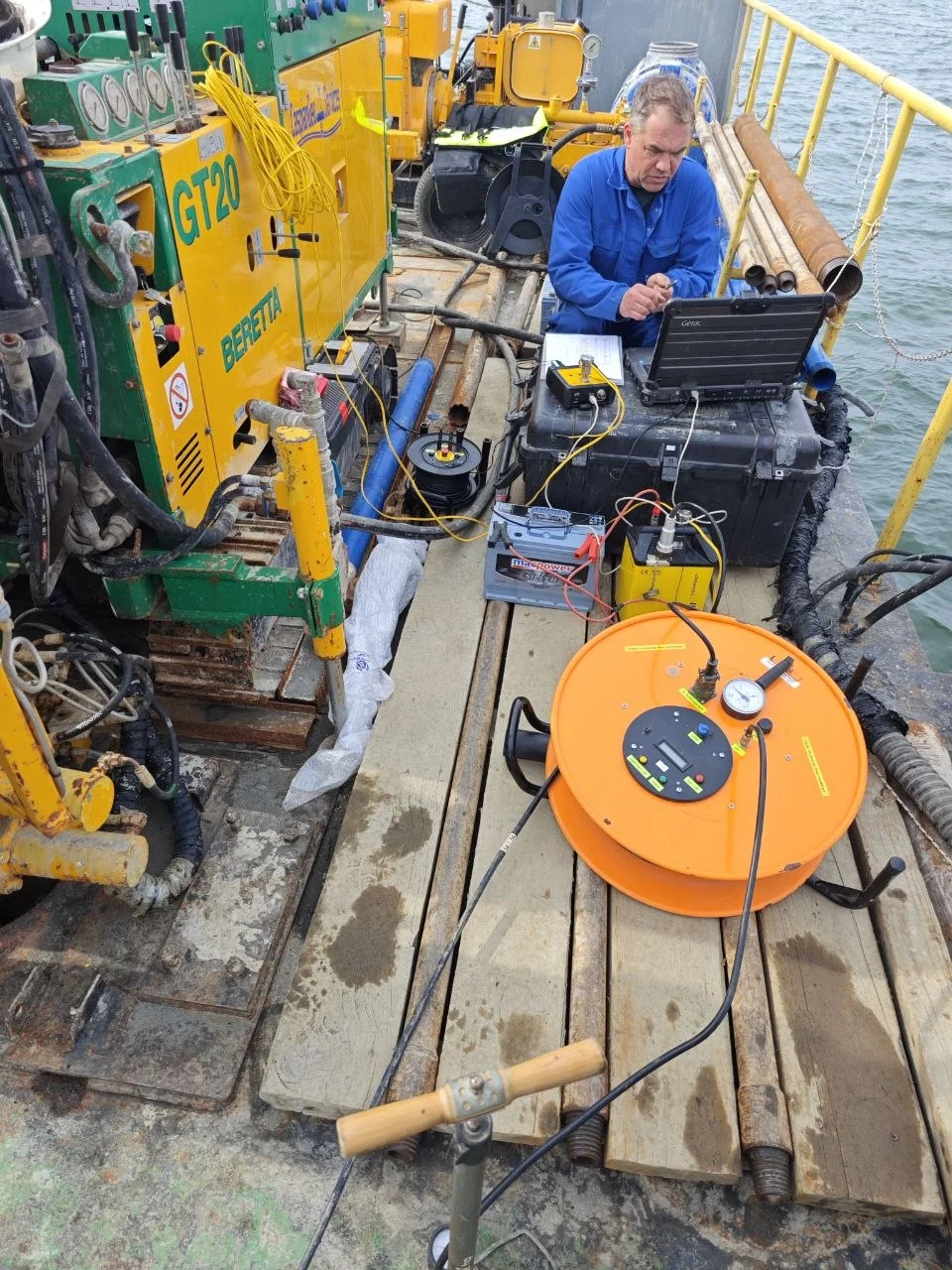
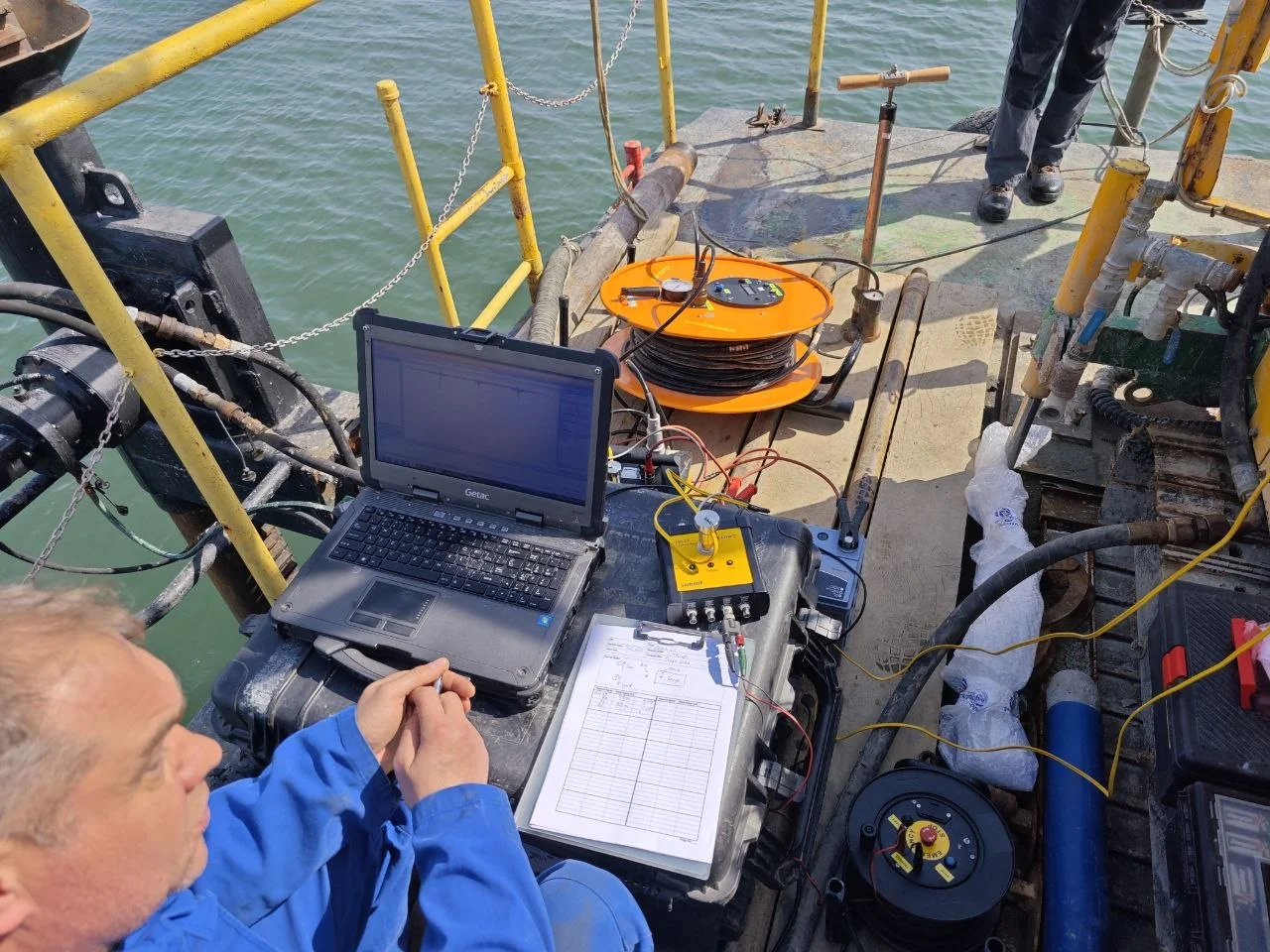
In-borehole seismic testing: P- and S-wave velocities with depth for dynamic analysis.
Testing between boreholes for detailed wave velocities across the site.
Locating anomalies, voids and underground utilities without excavation.
Side-scan sonar, sub-bottom profiling and magnetometry in the Caspian. More on the hydrography page.
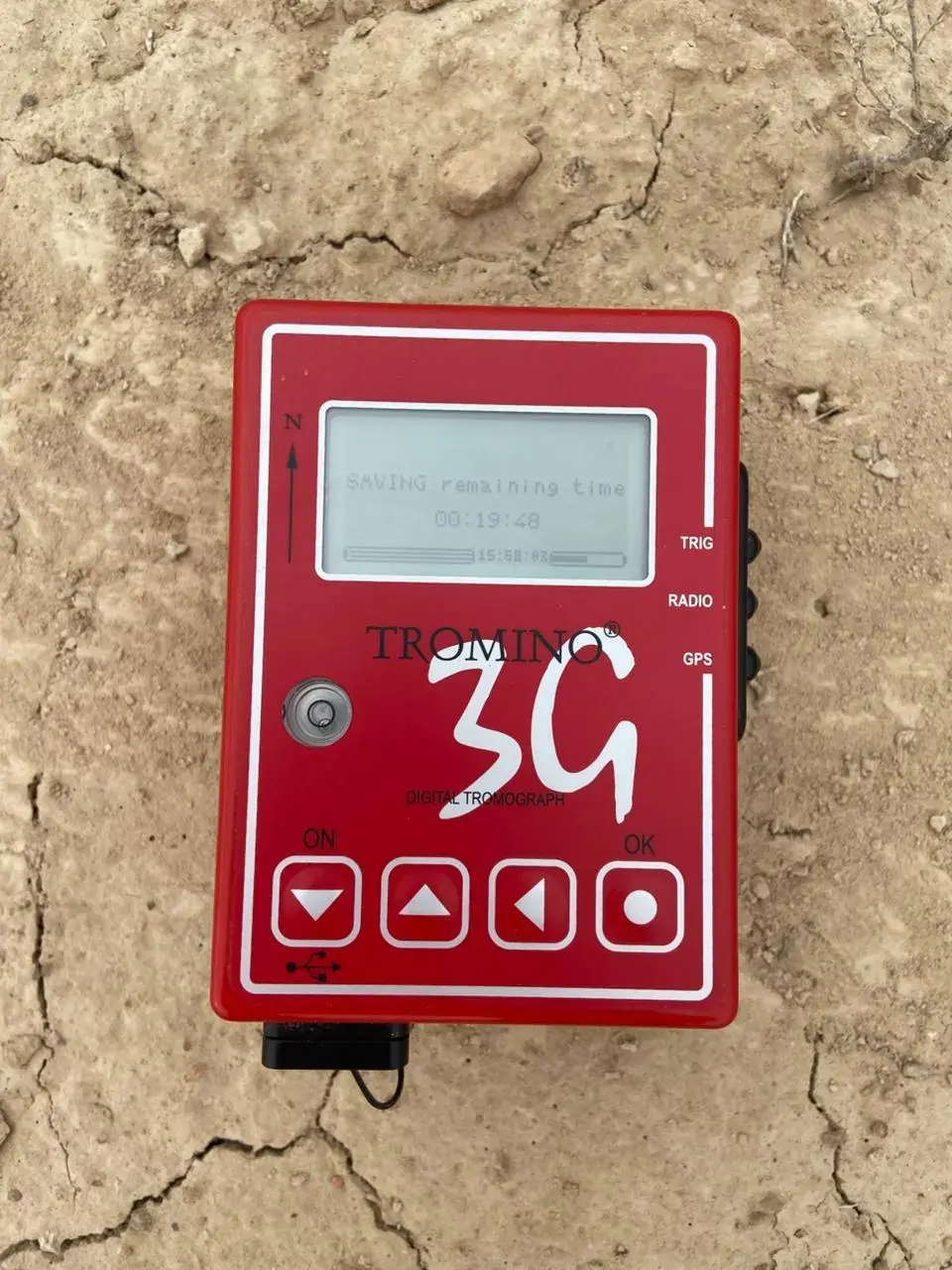
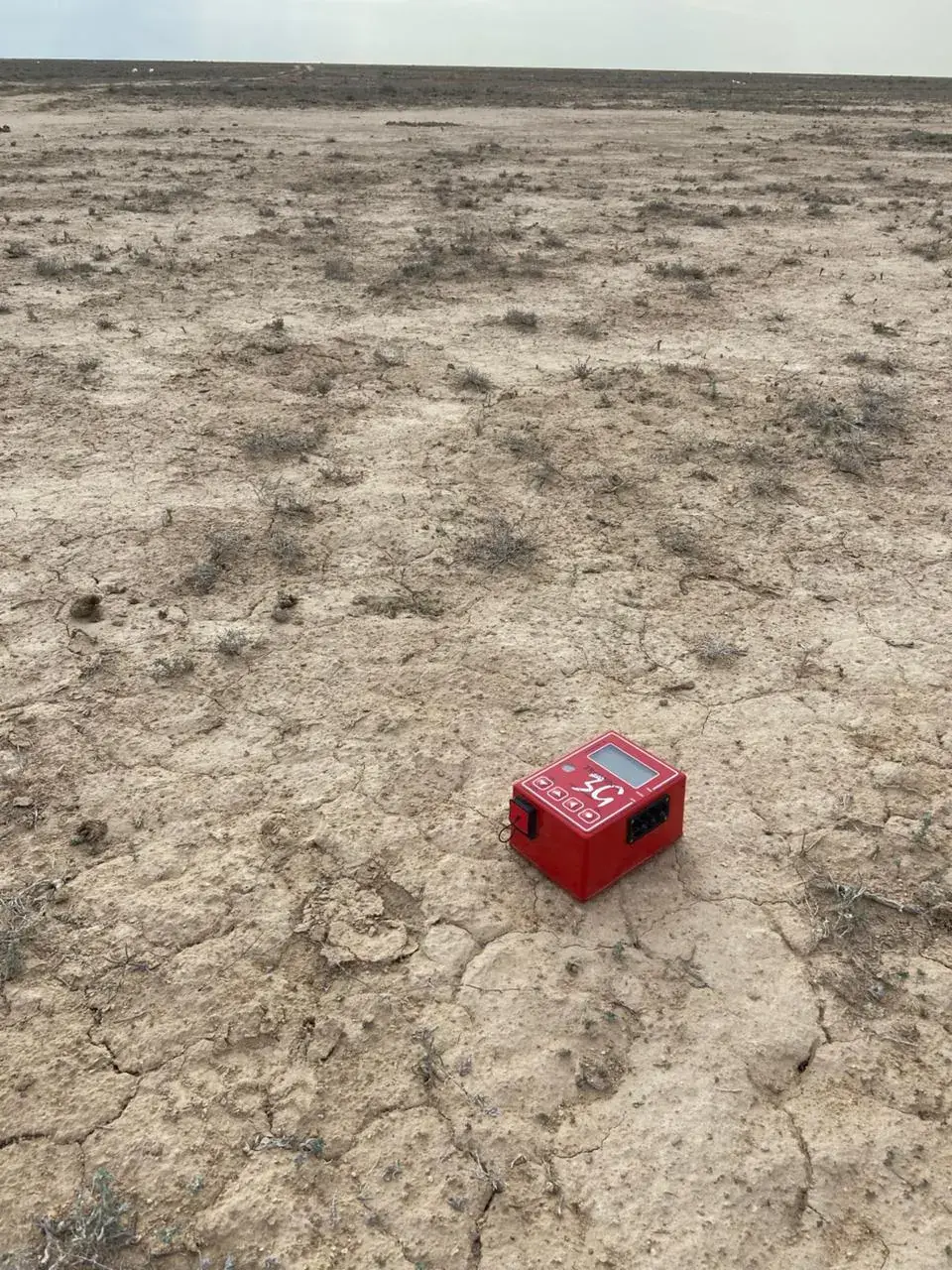
A passive seismic method: the natural ground vibrations show the resonant frequency of the site. It is used to assess the seismic properties of soils.
The data are needed to design earthing systems and cathodic protection and to assess soil corrosivity.
Tell us about the site and the task, and our engineers will propose a work programme.