
Borehole drilling
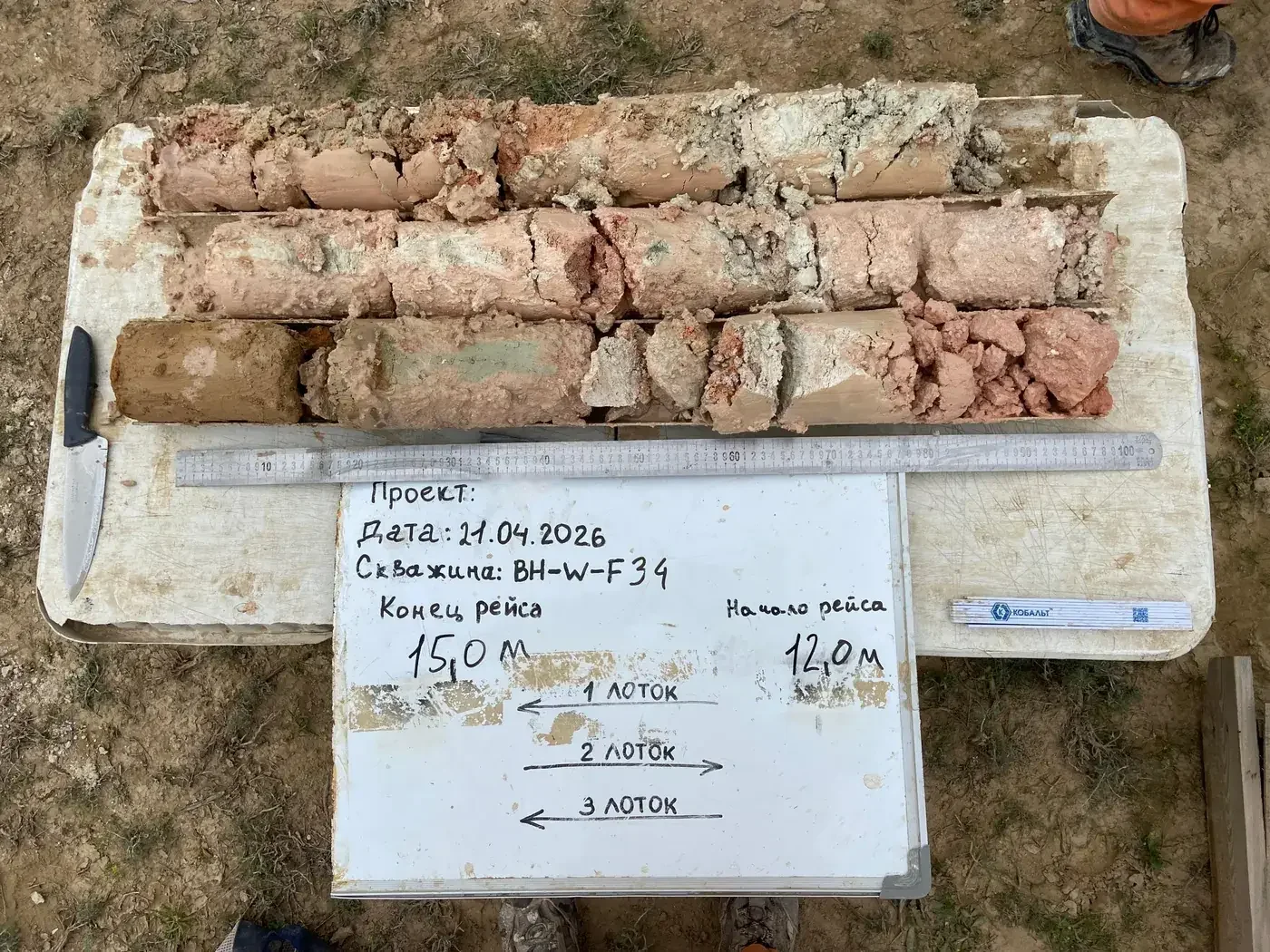
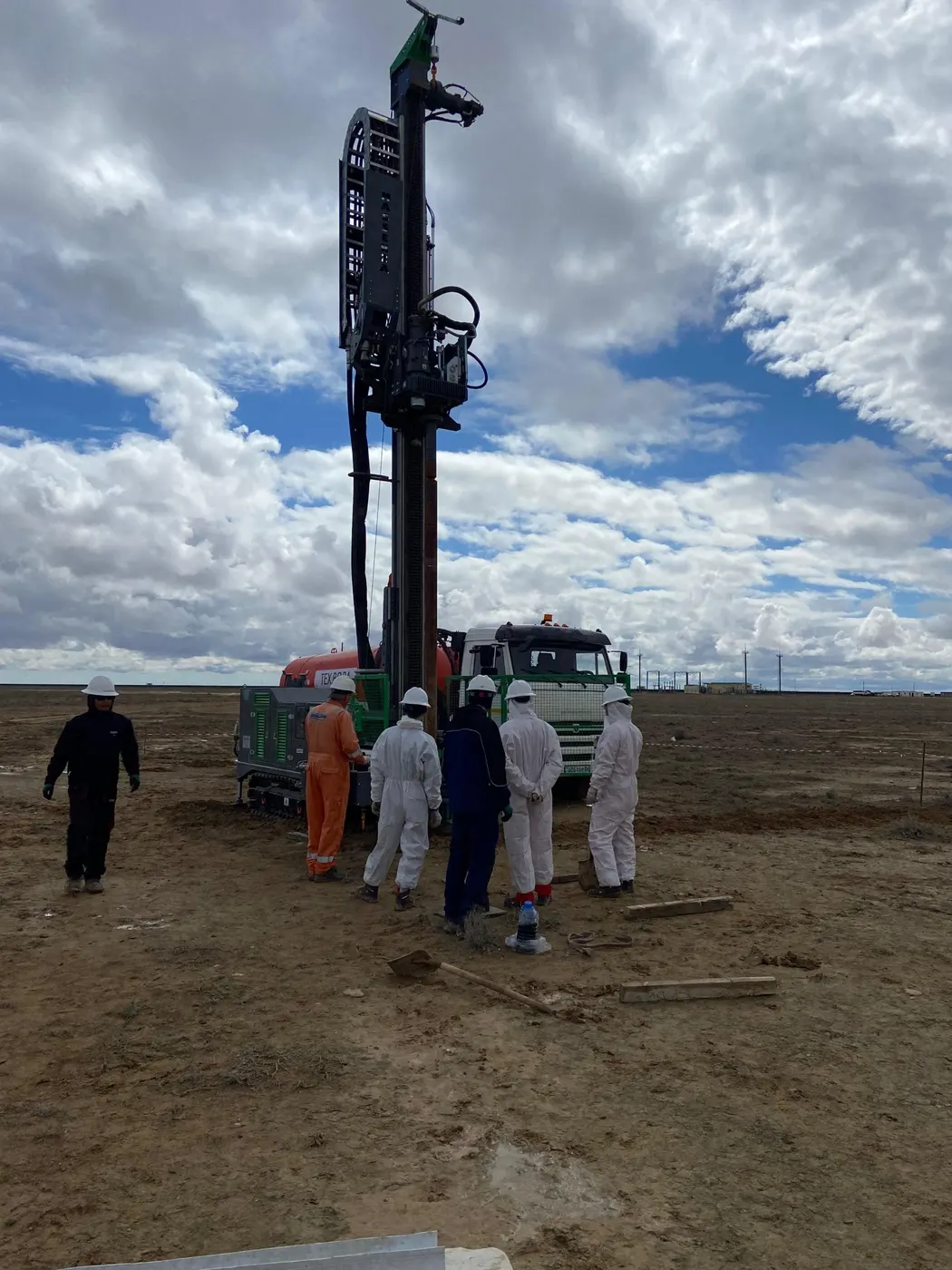
Core, auger and cable percussion drilling with undisturbed and disturbed sampling. Onshore, in shallow water and in the transition zone.
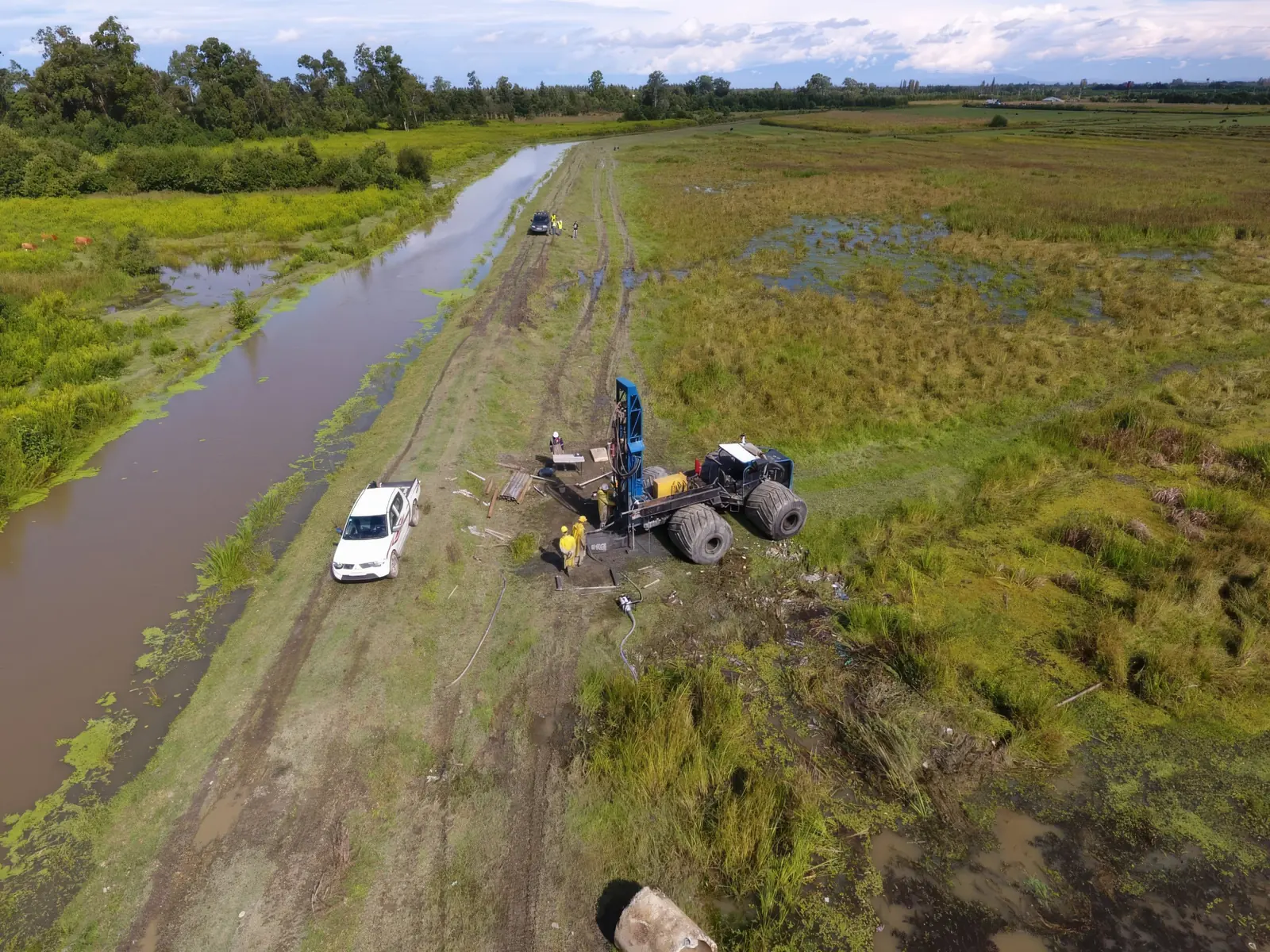
We investigate foundation soils for buildings, industrial facilities, pipelines, ports and marine structures in Aktau and Mangystau, across Kazakhstan, in the Caspian and on the Black Sea coast of Georgia. Our own drilling equipment, our own field testing and our own accredited laboratory.
A geotechnical investigation gives the designer data on soils and groundwater at the construction site. These data determine the type and depth of the foundation, protection against aggressive soils and water, and in the end the cost of construction. We do the full cycle, from the work programme to a technical report that passes state expert review.
Core, auger and cable percussion drilling with undisturbed and disturbed sampling. Onshore, in shallow water and in the transition zone.
100 and 200 kN systems for onshore and coastal sites. A continuous profile of soil resistance with depth.
Dynamic in-borehole tests to assess the density and strength of sands and clays.
Plate load testing to determine the bearing capacity and deformation modulus of the foundation soil.
Pressuremeter tests in boreholes: deformation modulus and limit pressure of soils in situ.
Bearing capacity of road and site subgrades by the CBR method directly on site.
Physical and mechanical soil properties to GOST, BS and ASTM in our own accredited laboratory.
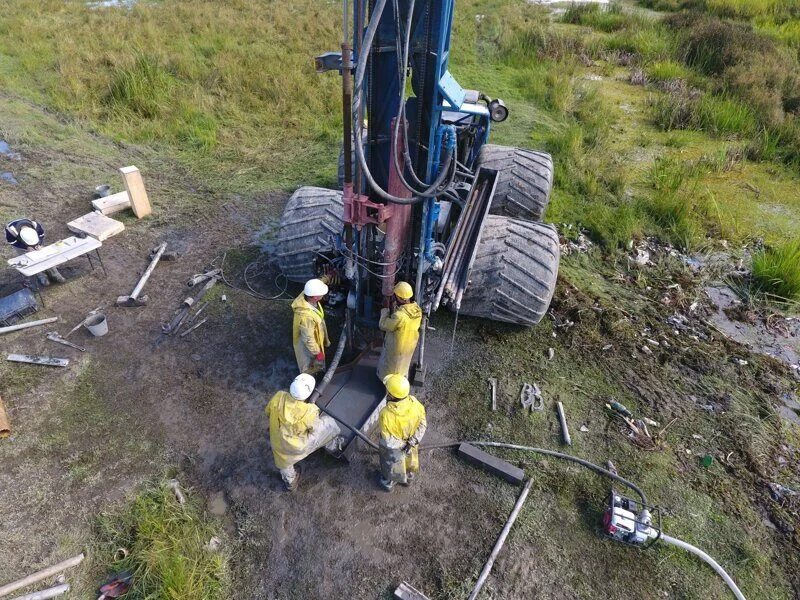
Our main specialisation is geotechnical investigation in the Caspian transition zone, in water depths up to 8 metres. For this we have a jack-up drilling pontoon, ARDCO all-terrain buggies and a survey boat. Onshore, we use Massenza MI-8 and Beretta GT-20 rigs.
With this fleet we can survey one site without changing contractors: from dry land across the shoreline to open water.
On Mangyshlak we often find saline and carbonate soils, sands, shell limestone and made ground. Groundwater is often aggressive, and on the coast its level follows the fluctuations of the Caspian Sea. We have worked in the region since 2003 and account for these conditions from the survey programme stage.
It depends on the scope of drilling and laboratory testing. We agree the timeline with the client before work starts and fix it in the survey programme.
Yes. We drill and run CPT from a jack-up pontoon in water depths up to 8 m, and in the transition zone using all-terrain buggies.
A technical report with drawings and the results of field and laboratory tests. In English on request.
Tell us about the site and the task, and our engineers will propose a work programme.